
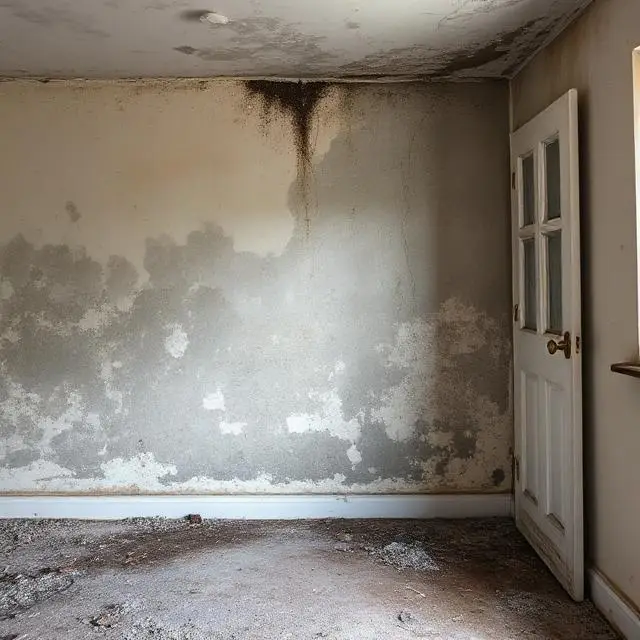
“Mould on the walls? Time to spore no expense fixing it!
Understanding and Tackling Mould in the Home: A Complete Guide
Mould is one of the most common and frustrating problems we can face within our homes. Not only does it spoil the look and feel of your space, but it can also pose serious health risks. By understanding how mould grows, taking preventive measures, and knowing when to seek professional help, you can keep your home safe, healthy, and mould-free.
If you’ve spotted those annoying black or green patches creeping up your walls, ceilings, or corners, it’s time to act.
This post will walk you through what mould is, why it grows, the risks involved, and how to effectively prevent and remove it.
What is Mould?
Mould is a type of fungus that thrives in damp, warm, and poorly ventilated areas. It reproduces by releasing spores into the air, which settle on surfaces and grow when conditions are right.
Common household moulds include Cladosporium, Penicillium, Aspergillus, and Stachybotrys (the infamous black mould).
Why Does Mould Grow?
Mould loves moisture. Common causes of mould growth include:
- Leaking pipes or roofs
- Condensation build-up (particularly in kitchens, bathrooms, and laundry rooms)
- Poor ventilation in rooms
- Flooding or water damage
- High indoor humidity levels
When moisture is not addressed, mould can quickly spread and become a bigger problem.
Health Risks
Exposure to mould spores can cause a range of health issues, particularly for people with allergies, asthma, or weakened immune systems. Some common symptoms include:
- Sneezing and coughing
- Nasal congestion or runny nose
- Throat irritation
- Eye irritation or watery eyes
- Skin rashes
- Respiratory issues or asthma attacks
In extreme cases, prolonged exposure to certain moulds can lead to serious respiratory infections or toxic reactions making you very sick.
How to Prevent Mould in Your Home
Prevention is key! Some measures include:
- Control Humidity: Keep indoor humidity below 50%. Use dehumidifiers or air conditioners if necessary.
- Improve Ventilation: Use exhaust fans in bathrooms and kitchens; open windows when weather allows.
- Fix Leaks Promptly: Repair dripping pipes, leaking roofs, or faulty appliances immediately.
- Dry Wet Areas Quickly: After spills or flooding, dry areas within 24-48 hours.
- Use Mold-Resistant Products: Consider mould-resistant drywall or paint in vulnerable areas.
- Regular Cleaning: Clean bathrooms and kitchens regularly with mould-killing solutions.
How to Remove Mould Safely
If mould has already appeared, you can tackle small areas yourself, but you should follow these tips:
- Wear protective gear (gloves, mask, goggles).
- Use a mixture of water and detergent or a commercial mould cleaner.
- Scrub the affected area thoroughly.
- Dry the area completely to prevent regrowth.
- Dispose of cleaning materials safely.
Important: For large infestations or if toxic black mould is present, you should consult professionals to avoid health risks and ensure thorough removal.
When to Call a Professional
- If mould covers more than 10 square feet.
- If mould returns quickly after cleaning.
- If you or family members experience health problems related to mould.
- If you suspect mould is inside walls or HVAC systems.
How we can help
We can give you peace of mind and as the experts we can thoroughly assess mould growth within your home, including hidden areas. We can search, identify and address the underlying causes of mould, whether it is from leaks or ventilation, ensuring a long-term solution that protects your asset and your health.